
In high-end tailoring, fabric is not merely a raw material used to construct garments, it is the foundation that determines the elegance, comfort, durability and prestige of a suit. While craftsmanship, cutting techniques, and hand-finishing are essential elements of bespoke tailoring, the quality of the fabric ultimately defines how a garment looks, feels and performs over time. For centuries, luxury tailoring has relied on natural fibers such as wool, cashmere, mohair and silk, each offering distinct characteristics that enhance the structure and aesthetics of tailored clothing. Among these materials, fine wool and cashmere stand out as the most prominent luxury fabrics used in high-end tailoring, representing both traditional craftsmanship and the enduring appeal of natural textiles.
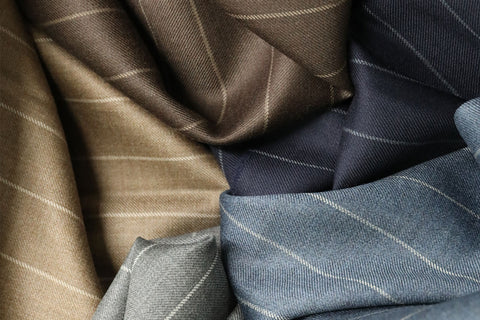
Wool: The Foundation of Luxury Tailoring
Wool has long been regarded as the cornerstone of luxury tailoring. Derived primarily from merino sheep, wool fibers possess a unique combination of flexibility, breathability and resilience that make them ideal for tailored garments. Their natural properties allow wool fabrics to maintain their shape while remaining comfortable in various climates, which explains why wool remains the most widely used material in high-end suits.One of the key characteristics that distinguishes luxury wool fabrics is the “Super number” classification, such as Super 100s, Super 120s, or Super 150s. This system measures the fineness of the wool fiber used to produce fabric. Generally, the higher the Super number, the finer and softer the fiber. For example, Super 100s wool offers durability and is often used for everyday business suits, while Super 150s wool or Super 180s wool fabrics are significantly softer and lighter, making them suitable for more luxurious garments.
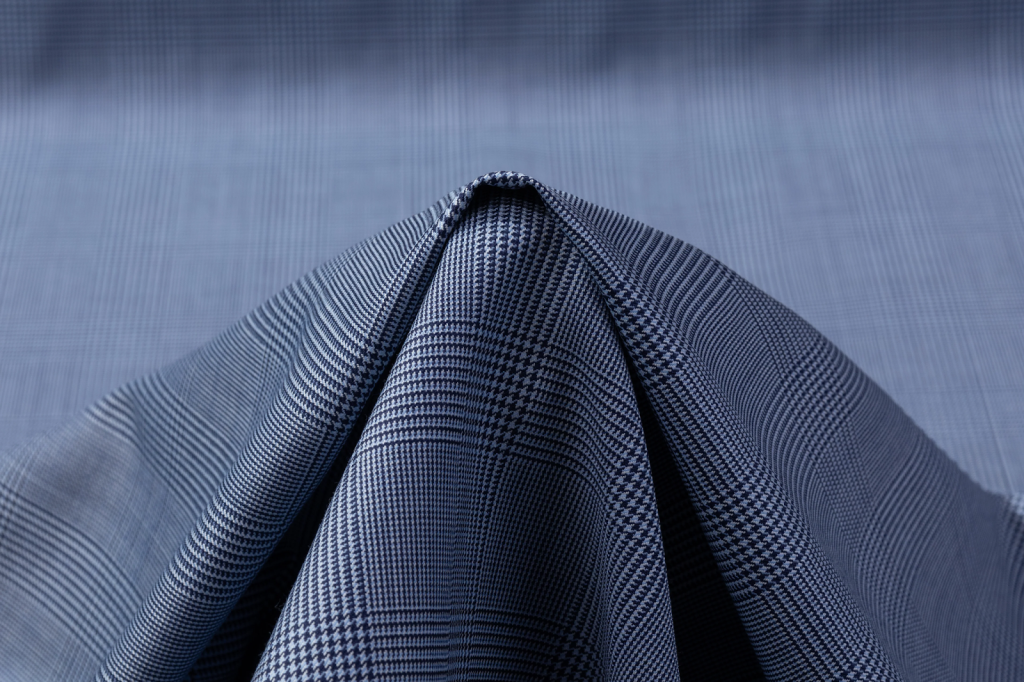
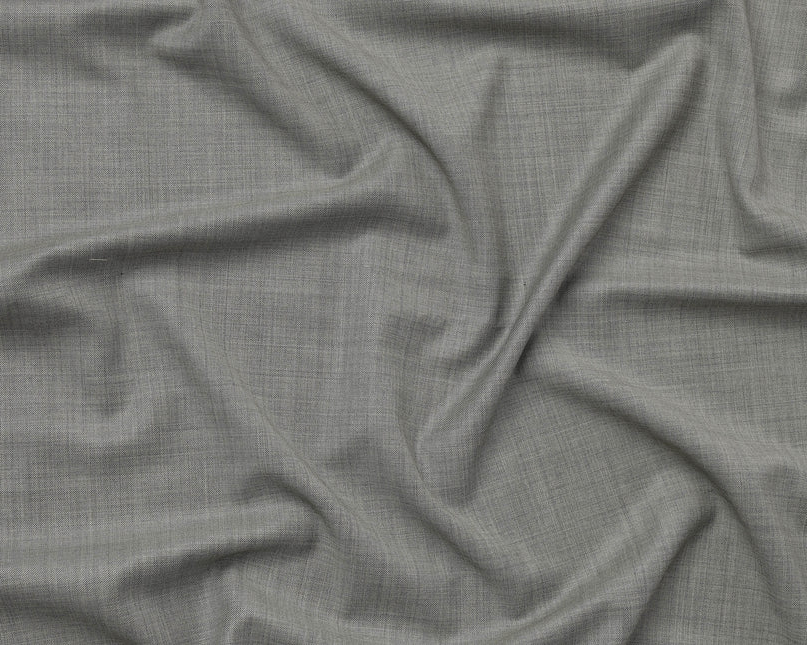
Another important factor in luxury wool tailoring is regional textile tradition. British wool fabrics are typically heavier and more structured, supporting the classic structured silhouette associated with traditional British tailoring. In contrast, Italian wool fabrics tend to be lighter, softer and more fluid, aligning with the relaxed elegance of Italian tailoring. Despite these stylistic differences, wool continues to dominate high-end tailoring because it provides an optimal balance between durability, comfort and refined appearance.
Cashmere: The Ultimate Symbol of Softness and Luxury
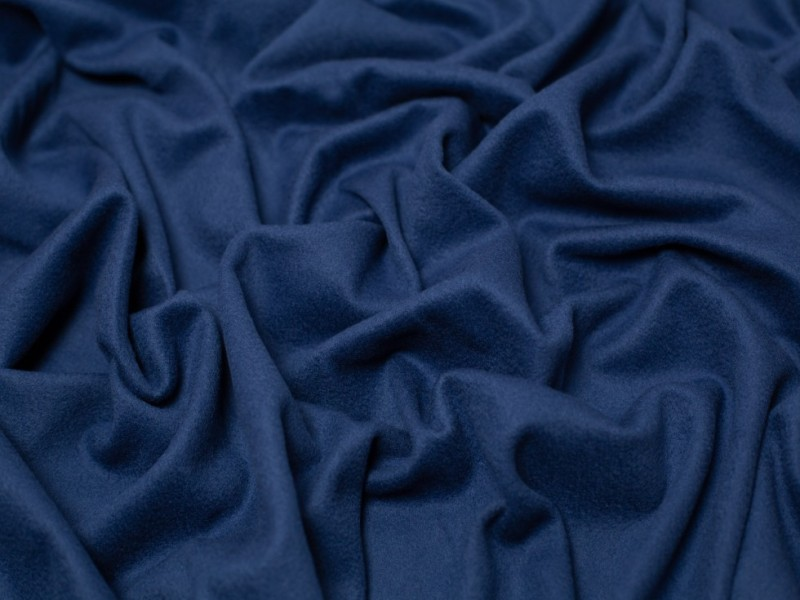
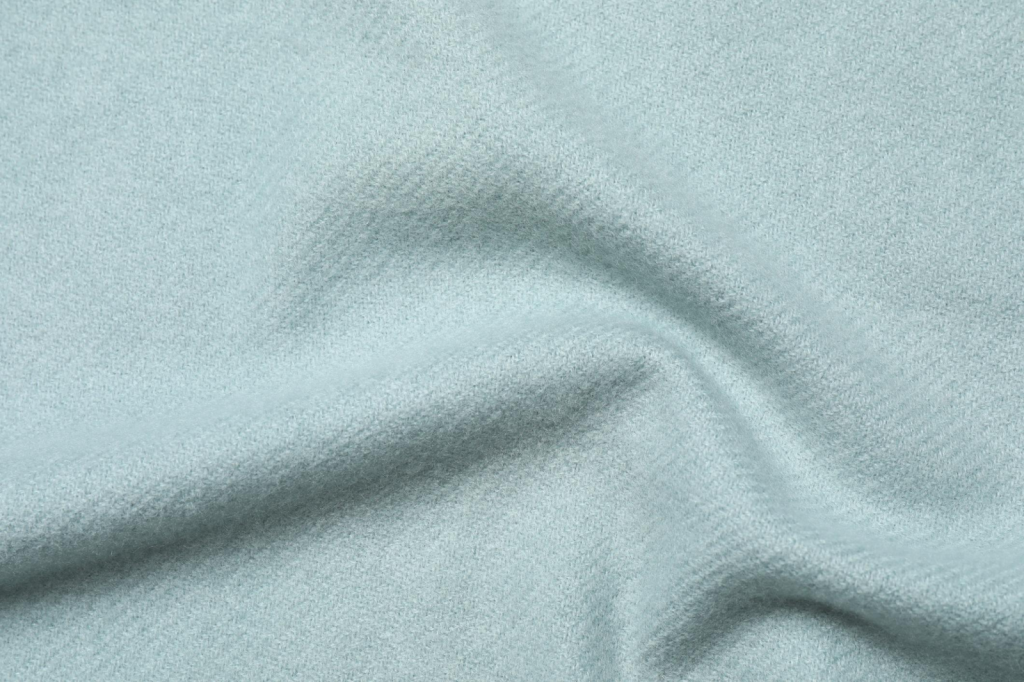
While wool forms the foundation of luxury tailoring, cashmere represents a higher level of exclusivity and refinement. Cashmere fibers are obtained from the soft undercoat of cashmere goats, primarily raised in regions such as Mongolia, China and parts of the Himalayan plateau. Due to the limited amount of fiber produced by each goat annually, cashmere is considerably rarer and more expensive than conventional wool.
The most distinctive characteristic of cashmere is its exceptional softness. The fibers are significantly finer than standard wool, resulting in fabrics that feel remarkably smooth and lightweight against the skin. In addition to its softness, cashmere also provides excellent insulation while remaining breathable, making it particularly suitable for winter garments such as overcoats and luxury knitwear.However, cashmere is rarely used alone in tailored suits because its softness reduces structural stability. Pure cashmere fabrics can lack the firmness required to maintain the sharp silhouette typical of tailored garments. For this reason, tailors often use “wool-cashmere blends”, which combine the softness of cashmere with the structural integrity of wool. This blend allows garments to retain their shape while offering a noticeably more luxurious texture.
Other Luxury Fibers in High-End Tailoring
Although wool and cashmere dominate luxury tailoring, several other natural fibers also contribute to the diversity and sophistication of high-end fabrics.
Mohair, derived from the Angora goat, is known for its distinctive sheen and exceptional wrinkle resistance. Mohair fabric is often used in summer suits because they remain lightweight and maintain a crisp appearance even in warm climates.
Silk is also occasionally blended with wool to enhance the visual depth of fabric. Silk fibers add subtle luster and smoothness, producing fabrics that appear more refined under light. These blends are particularly popular in luxury evening wear and formal suits.
Fabric Selection and the Craft of Tailoring
In high-end tailoring, selecting the appropriate fabric is a critical step that directly influences the final garment. Skilled tailors must carefully consider several factors, including fabric weight, texture, seasonal suitability and the client’s lifestyle.
Heavier fabrics typically produce more structured garments, which are characteristic of traditional British tailoring. Conversely, lighter fabrics create softer silhouettes that are often associated with Italian tailoring. The fabric’s drape is particularly important because it affects how the suit appears when worn.
Beyond aesthetics, fabric selection also impacts the garment’s longevity. High-quality fabrics tend to age gracefully, developing character over time while maintaining structural integrity. This durability reinforces the philosophy of bespoke tailoring, which emphasizes longevity and craftsmanship rather than short-term consumption.
Sustainability and the Future of Luxury Fabrics
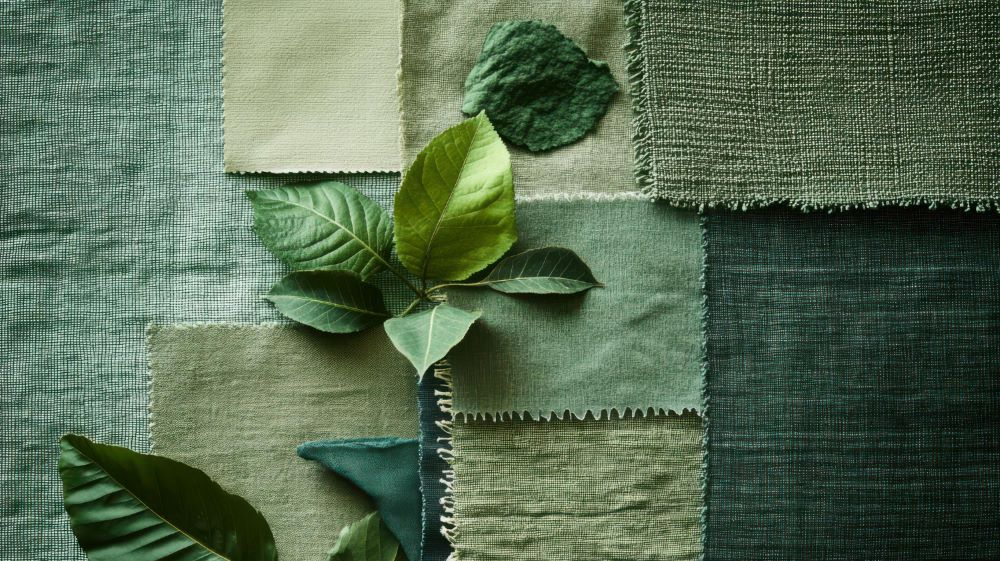
In recent years, sustainability has become an increasingly important consideration with the luxury fashion industry. Many high-end textile producers are now focusing on ethical sourcing of natural fibers, responsible animal welfare practices and environmentally conscious production methods.
Luxury tailoring is often associated with the concept of slow fashion, which prioritizes quality, durability and timeless design. Unlike fast-fashion garments that are quickly discarded, bespoke suits are designed to last for many years, sometimes even decades. Because these garments can be repaired, altered and maintained over time, they represent a more sustainable approach to clothing consumption.
The use of natural fibers such as wool and cashmere also contributes to sustainability, as these materials are biodegradable and renewable when responsibly sourced. As consumers become increasingly aware of environmental issues, the luxury tailoring industry may continue to emphasize transparency and sustainability in fabric production.
Luxury fabrics play a central role in defining the craftsmanship and prestige of high-end tailoring. And the choice of fabric reflects the philosophy of luxury tailoring itself: a commitment to quality, tradition and long-term value. As the fashion industry evolves, the enduring appeal of natural luxury fabrics suggests that high-end tailoring will continue to celebrate craftsmanship and the material excellence for generations to come.