
Before the 19th century, every garment was made by hand with a purely function to cover the body and protect it from the element. However, Renaissance has a huge impact on the bespoke industry, it drives tailoring to become a way to accentuate the human form. Tailors transformed public perception of clothing, shifting it from being regarded merely as a practical necessity to being appreciated as a medium of self-expression and an object of desire. But nowadays, ready-to-wear or made-to-measure clothes was the best choice for the majority of men, only a very small minority of gentlemen dress in bespoke clothes made by tailors. This made tailoring more and more exclusive and expensive.
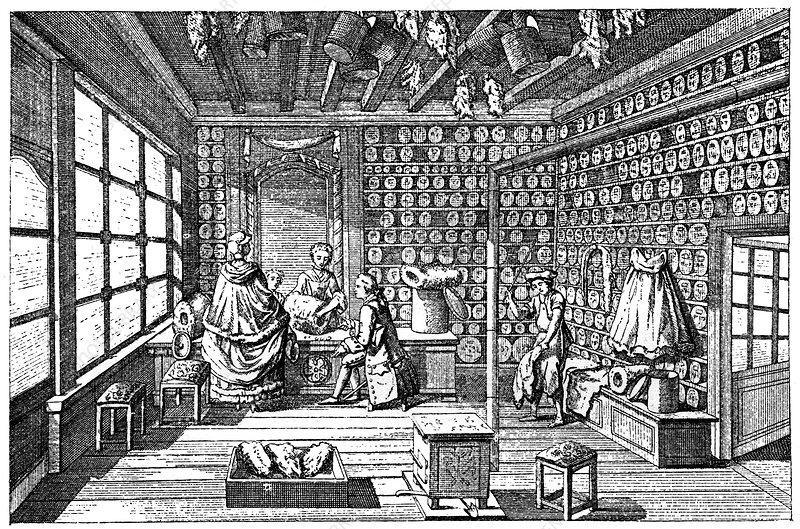
The Birth of Tailoring in Medieval Europe
Between the 12th and 14th centuries, tailoring emerged across Europe as garments evolved from loose, functional coverings into fitted attire that accentuated the human silhouette. The Renaissance, with its celebration of humanism and proportion, accelerated this transformation. Clothing became expressive rather than purely protective.
Tailors developed highly guarded cutting techniques—trade secrets passed only when a master handed down his business. Garments were shaped through multiple fittings and extensive hand-stitching. Even without modern tools, the results achieved remarkable anatomical precision.
This era marked the beginning of fashion as we understand it today: clothing as identity, status, and desire.
The Rise of Prestige: France, England, and the Gentleman Ideal
In the 17th century, fashion was shaped by royalty. Under Louis XIV, Paris became Europe’s fashion epicenter. French courts favored decorative silks and ornate embellishments.
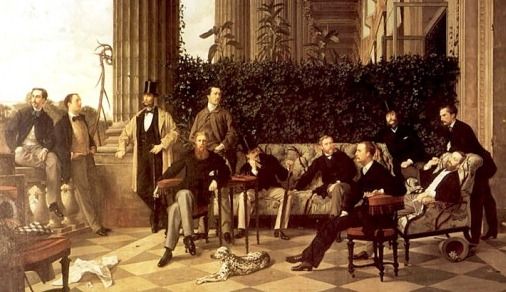
Across the Channel, England adopted a more restrained philosophy. By the 19th century, the English silhouette—dark coats, structured shoulders, precise waist suppression—defined the modern gentleman. Simplicity, proportion, and cut became the new markers of elegance.
This ethos crystallized on Savile Row in London’s Mayfair district. Built between 1731 and 1735, Savile Row evolved into the epicenter of bespoke menswear. It was here that the term “bespoke”—meaning cloth that had been “spoken for”—entered tailoring vocabulary.
Figures such as Beau Brummell championed understated refinement, reinforcing the principle that perfection resides in the cut, not decoration.
Industrial Revolution: Cutting Systems and the Birth of Ready-to-Wear
The 18th century introduced systematic cutting methods designed to reduce fittings. The invention of the sewing machine in 1790 transformed production entirely. By 1830, France opened its first machine-based clothing factory to supply military uniforms—marking the genesis of ready-to-wear manufacturing.
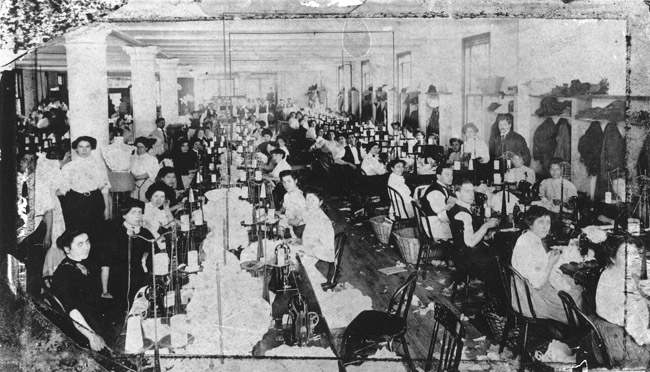
Uniform production required standardized sizing, which later translated into civilian garments. By the late 19th century, ready-to-wear achieved impressive consistency at scale.
Yet bespoke tailoring retained its appeal. For those who valued individuality, no factory system could replicate the precision of a garment drafted from a unique paper pattern and shaped through hand construction.
The 20th Century: Diverging Philosophies of Construction
A defining industrial shift occurred in the 1960s with the widespread adoption of fusing—bonding interlining to outer fabric using heat and adhesive. This dramatically reduced production time in factory garments.
In traditional bespoke construction, however, interlinings remain “free-floating,” secured by hand stitches at the shoulders and lapels. This allows sculptural shaping of the chest and produces the characteristic lapel roll associated with superior tailoring.
Decline and Revival: Bespoke in the Modern Era
From the 1970s onward, casualization and fast fashion significantly reduced demand for bespoke garments. Many ateliers closed; the craft appeared endangered.
Yet the 21st century has seen a measured resurgence. A new generation values durability, craftsmanship, and long-term wardrobe investment over disposable consumption. In a market saturated with mass-produced garments, bespoke represents intentional ownership.
Today, a handmade suit still requires approximately 60 hours of skilled labor. Though machines assist in certain stages, the core processes—drafting, canvas shaping, hand-padding, and finishing—remain fundamentally unchanged from the early 20th century.
A Heritage Craft with a Future
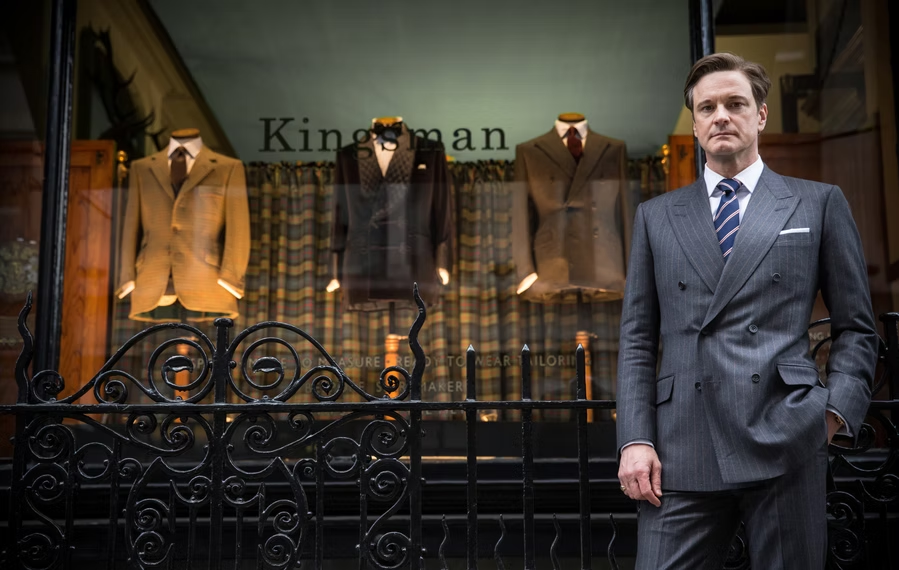
In earlier decades, tailors claimed to create the most fashionable garments. As ready-to-wear absorbed trend-driven production, bespoke repositioned itself around permanence.
In a world increasingly oriented toward quantity, bespoke stands for intentional quality. It offers not merely superior fit, but exclusivity—an object created for one individual and no other.
Though the industry today represents only a fraction of its historical scale, bespoke tailoring endures as a living heritage. Aging masters are passing knowledge to new artisans who are reopening ateliers across Europe and beyond.
The question is no longer whether bespoke can compete with mass production. It cannot—and need not. Instead, it occupies a different category altogether: a convergence of engineering, artistry, and human form.
For the modern gentleman—or anyone who values permanence over novelty—bespoke remains the highest expression of sartorial craftsmanship.
At its core, bespoke tailoring is not about clothing alone. It is about proportion, discipline, and the quiet confidence that comes from wearing something made precisely for you.