
The bespoke tailoring industry is entering a phase of profound transformation, where traditional values are not replaced but redefined through technology, new materials, and the growing demand for personalization. The 2024–2025 period marks a distinctive development cycle in which aesthetic standards, service experience, and sustainability responsibility converge.
Structural Minimalism – Maximum Presence
Relaxed Tailoring is emerging as the dominant philosophy. Rigid suits are gradually giving way to softer silhouettes, natural shoulders, and lightweight canvassing, allowing the wearer to achieve comfort while preserving the signature elegance of bespoke fashion.

At the same time, 1940s-inspired style is returning with refined reinterpretations: high-waisted trousers and wide legs paired with fitted jackets create an artistic contrast of proportions. This is not mere nostalgia, but a selective revival aligned with contemporary lifestyles.
Notably, micro-level personalization details have become a new hallmark of the luxury segment. Elements such as custom-printed linings, hand-sewn buttons, or embroidered names beneath the collar are not only aesthetic features but also statements of individual identity.
In terms of color palettes, earth tones and neutrals (brown, beige, olive) are gradually replacing traditional black and navy, while classic patterns like pinstripes and windowpane checks are being resized for a more modern visual effect.
Sustainable Luxury as the New Standard
Today’s clients care not only about appearance but also about material provenance. Fabrics sourced from nature—such as organic cotton, bamboo fibers, or ethically farmed wool—are increasingly preferred. This signals a shift from “decorative luxury” to “responsible luxury.”
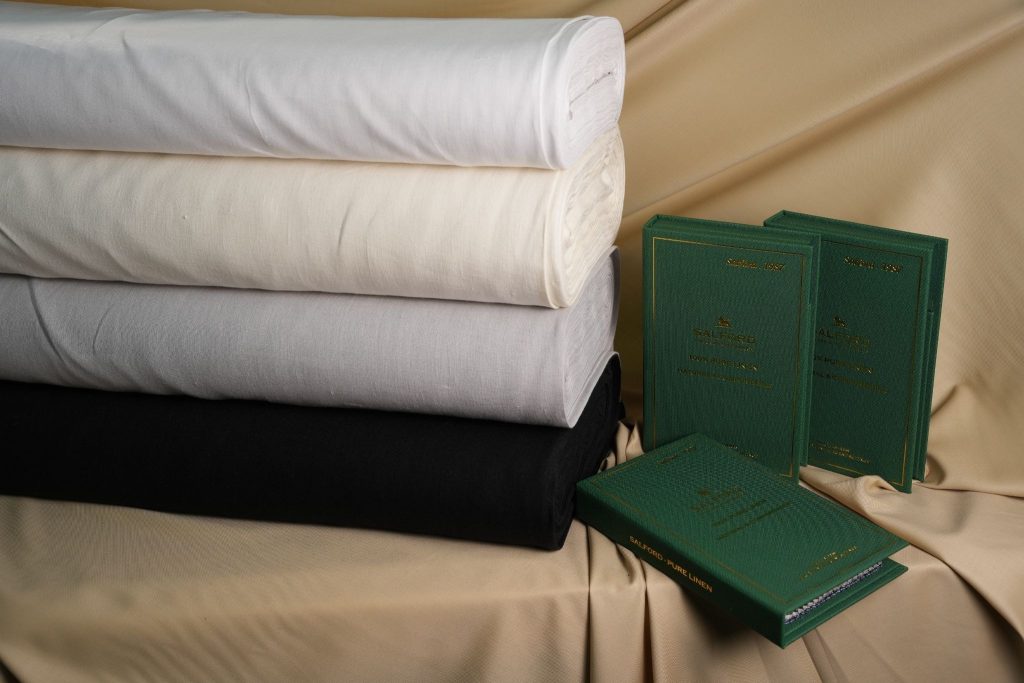
Additionally, textured fabrics such as tweed, herringbone, and brushed wool are gaining popularity for their ability to create visual depth and understated sophistication. These materials reflect a refined aesthetic in which value lies in detail rather than display.
Personalization at a New Level
Technological advancements are redefining traditional tailoring processes. Virtual fitting and 3D design solutions enable precise remote measurements, shortening production time while maintaining technical standards. This allows brands to expand their global clientele without compromising craftsmanship.
Notably, the Vietnamese market is emerging as a bright spot. A new generation of designers and artisans is not only inheriting traditional techniques but also adopting international standards through high-end construction methods such as full-canvas tailoring and on-site personalized service models.
According to forecasts, the global bespoke suit market could reach approximately USD 5 billion by 2025, with the Asia–Pacific region serving as the primary growth engine. This presents a significant opportunity for domestic brands to establish their position within the luxury fashion value chain.
The bespoke tailoring industry is entering a period of “modern renaissance”: traditional craftsmanship remains the core foundation, but competitive advantage now lies in deep personalization, sustainable materials, and precise technological integration. Businesses that master these three pillars will not only meet aesthetic demands but also build enduring trust with discerning clientele.