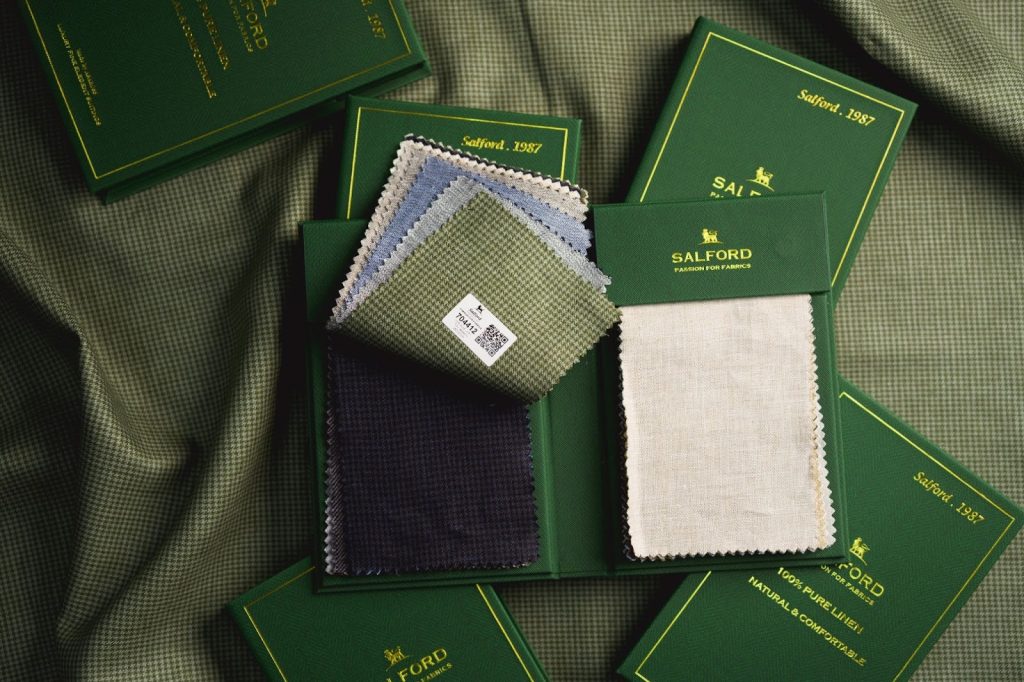
Linen was discovered and used by humankind very early in the course of history, becoming one of the oldest woven textiles known to civilization. Owing to its distinctive properties, linen gradually won the favor of ancient civilizations such as Mesopotamia and Egypt. Over time, this material was produced primarily to serve the ruling classes. It was not until the 12th century, when the Greeks and the Phoenicians adopted and widely disseminated linen-making techniques throughout Europe, that linen became more commonly used. Even then, it continued to be regarded as a luxury fabric due to its complex and labor-intensive production process.
Linen shares several similarities with cotton; however, the fibers used to weave linen are extracted from the stalk of the flax plant rather than from cotton bolls. As a result, linen production requires significantly more time and resources, which contributes to its higher cost. In return, linen offers excellent moisture-wicking and quick-drying properties, making it particularly well suited to hot and humid tropical climates. These characteristics position linen as a refined yet costly and challenging fabric to produce.
One notable aspect of linen is that it is among the most environmentally friendly fabrics in the textile industry, thanks to its natural origin and high biodegradability. In addition, linen does not generate microplastic pollution that can negatively affect human health. Unlike synthetic materials, which may take decades to decompose, linen fibers return to natural cycles much more quickly, thereby reducing environmental waste burdens. This is another compelling reason for environmentally conscious consumers to choose linen as part of a commitment to a more sustainable future for coming generations.
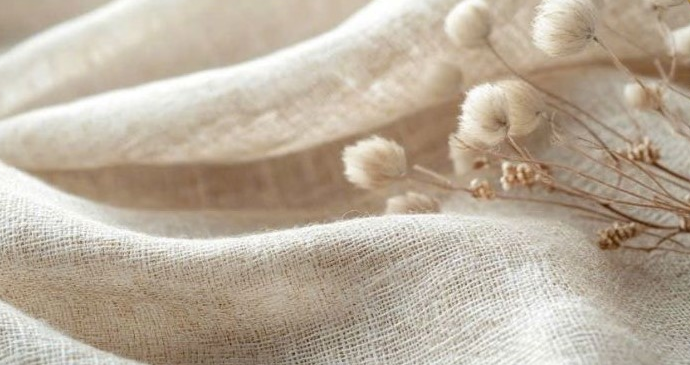
Source: Vaiphuongthuy
Building upon the natural values and long historical legacy of flax fibers, a new linen fabric line for tailoring suits has been developed to redefine elegance in the context of modern climates. The linen is carefully processed and woven with a refined structure that allows the fabric to hold its shape and wrinkle less, while fully preserving its lightness, breathability, and natural thermoregulatory properties. This fabric line is especially well suited for warm-weather suits or tropical environments, offering lasting comfort throughout the day while maintaining an appearance that is elegant, relaxed, and distinctly fashionable—designed for gentlemen who pursue a refined style deeply connected to the spirit of nature.